The Passion of Collecting Academic Nudes

Join me as we explore my collection of Academic Nudes from the 18th, 19th, and Early 20th Centuries and serendipitous finds in the Museum, Art Auction, and Gallery world......examples from the Golden Age of the European Academie


Monday, October 12, 2020

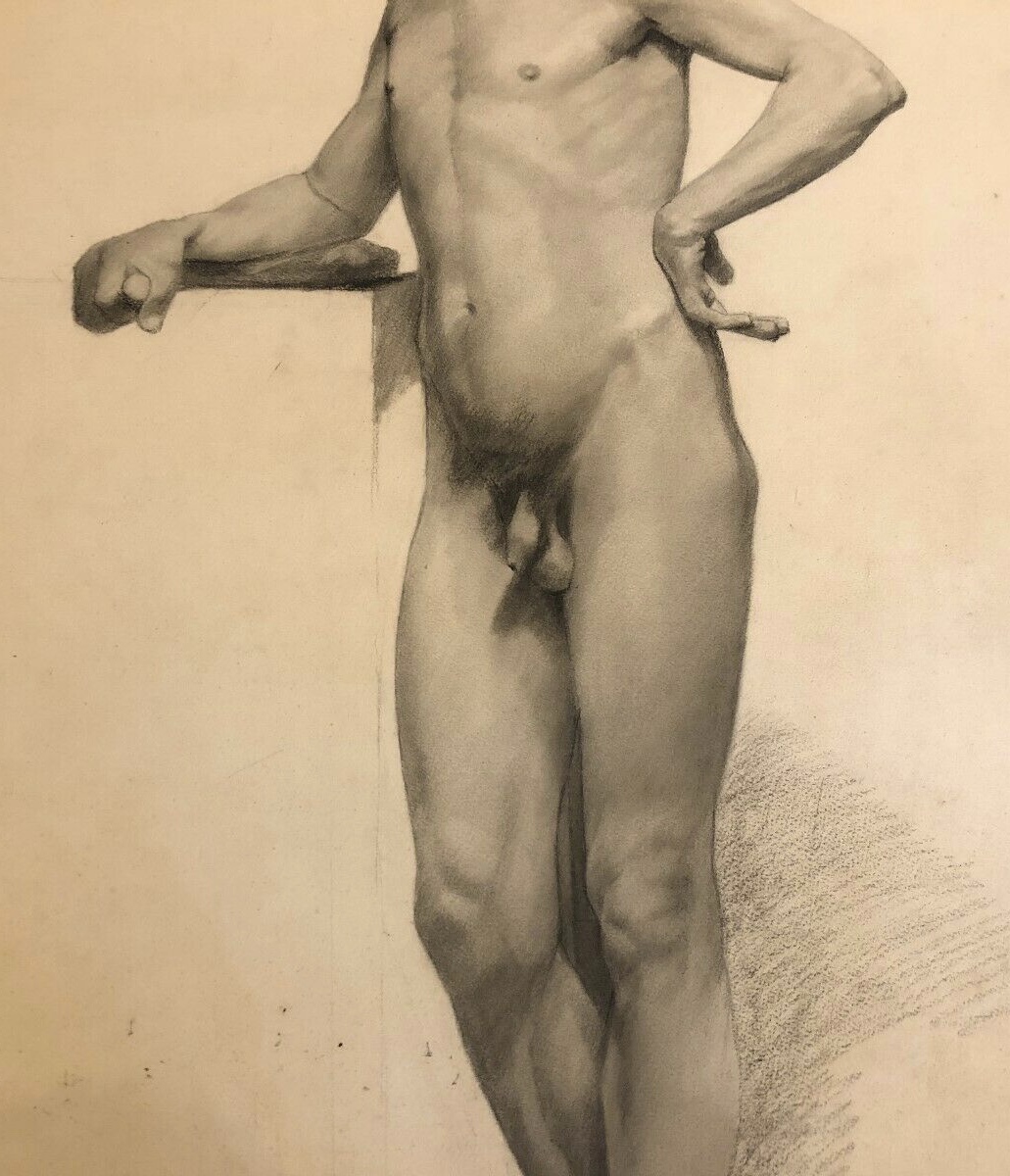
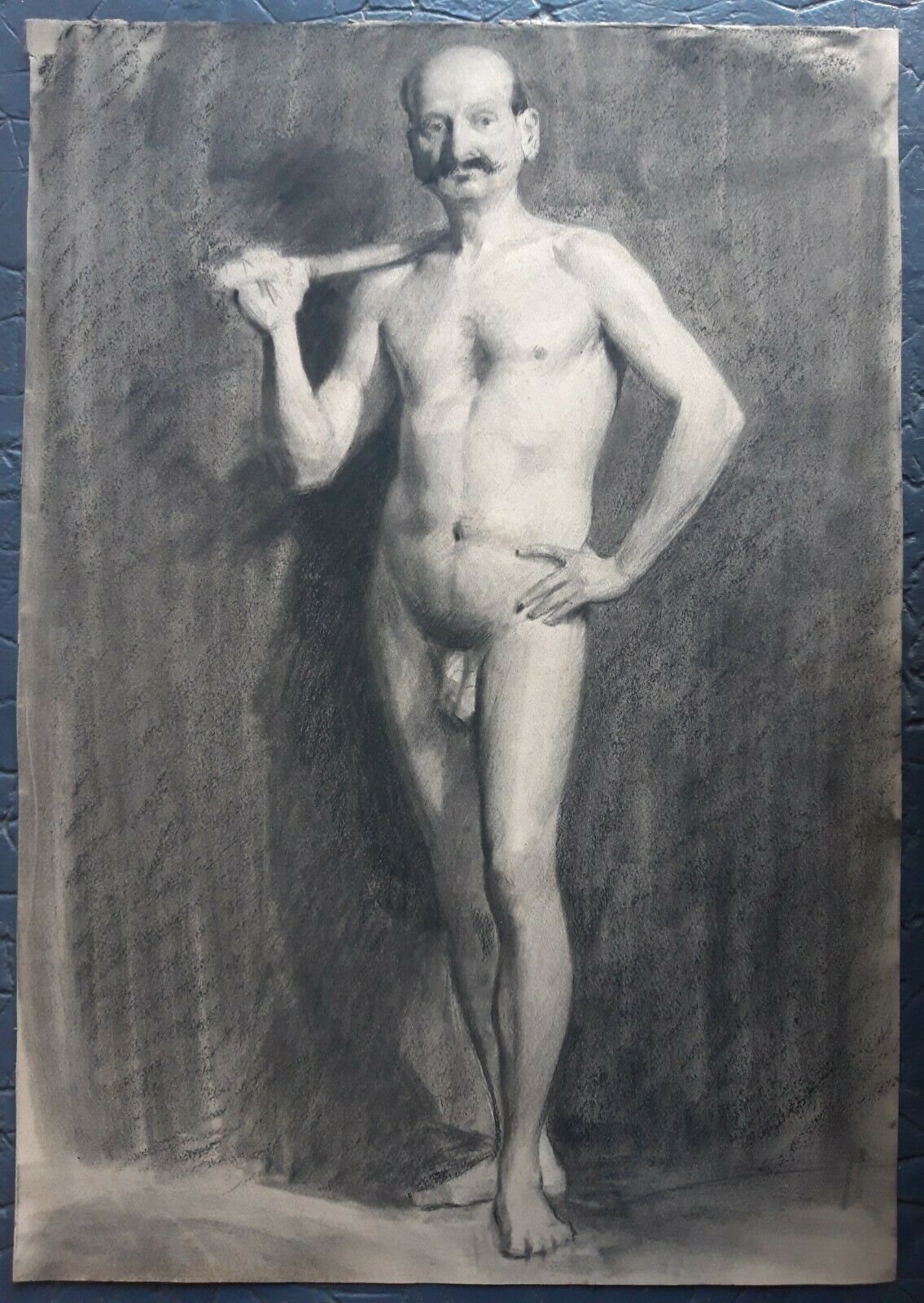
Dessin académique nu masculin - 19e siècle - Academic Standing Male Nude - 19th Century Academy

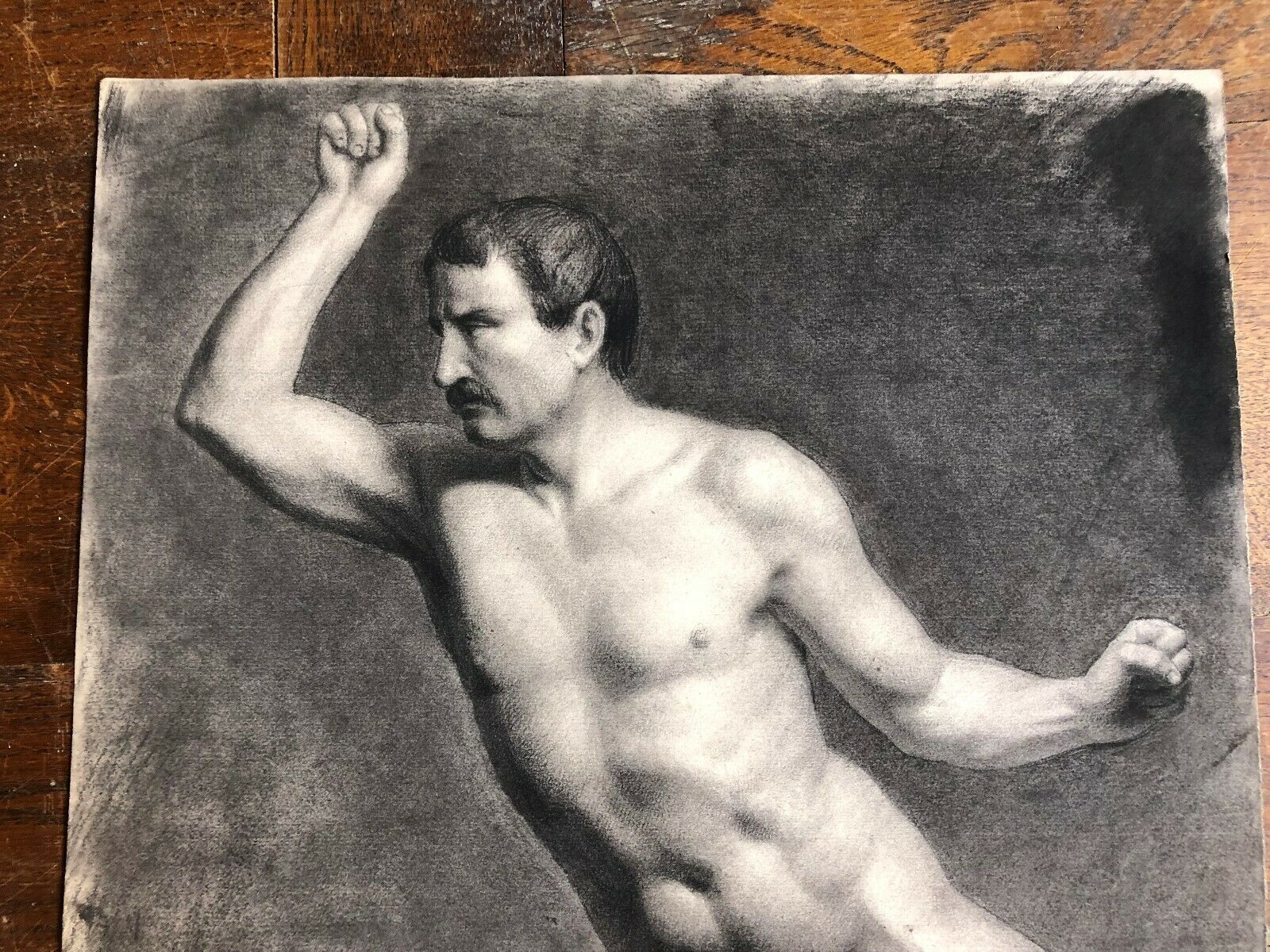
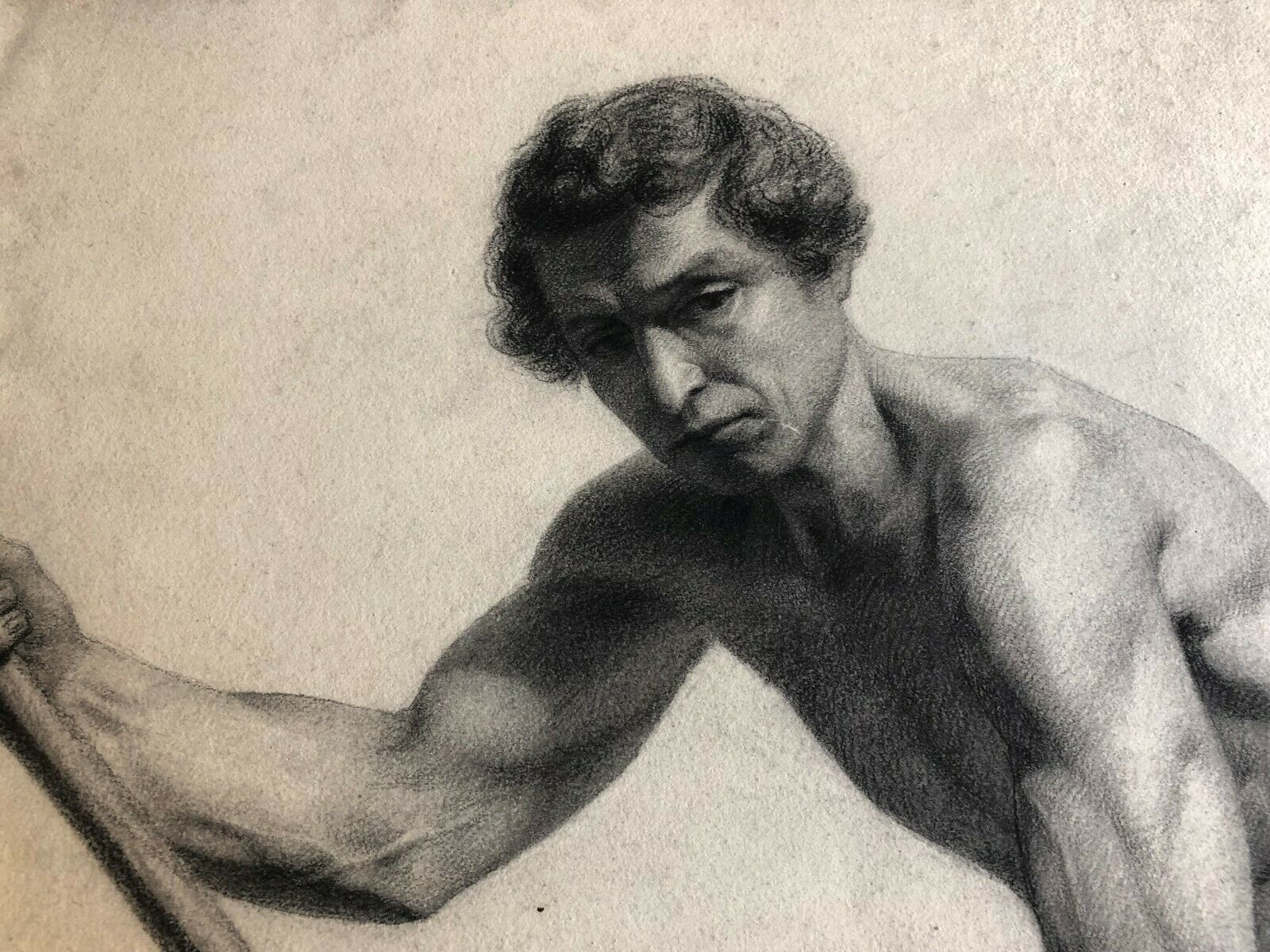
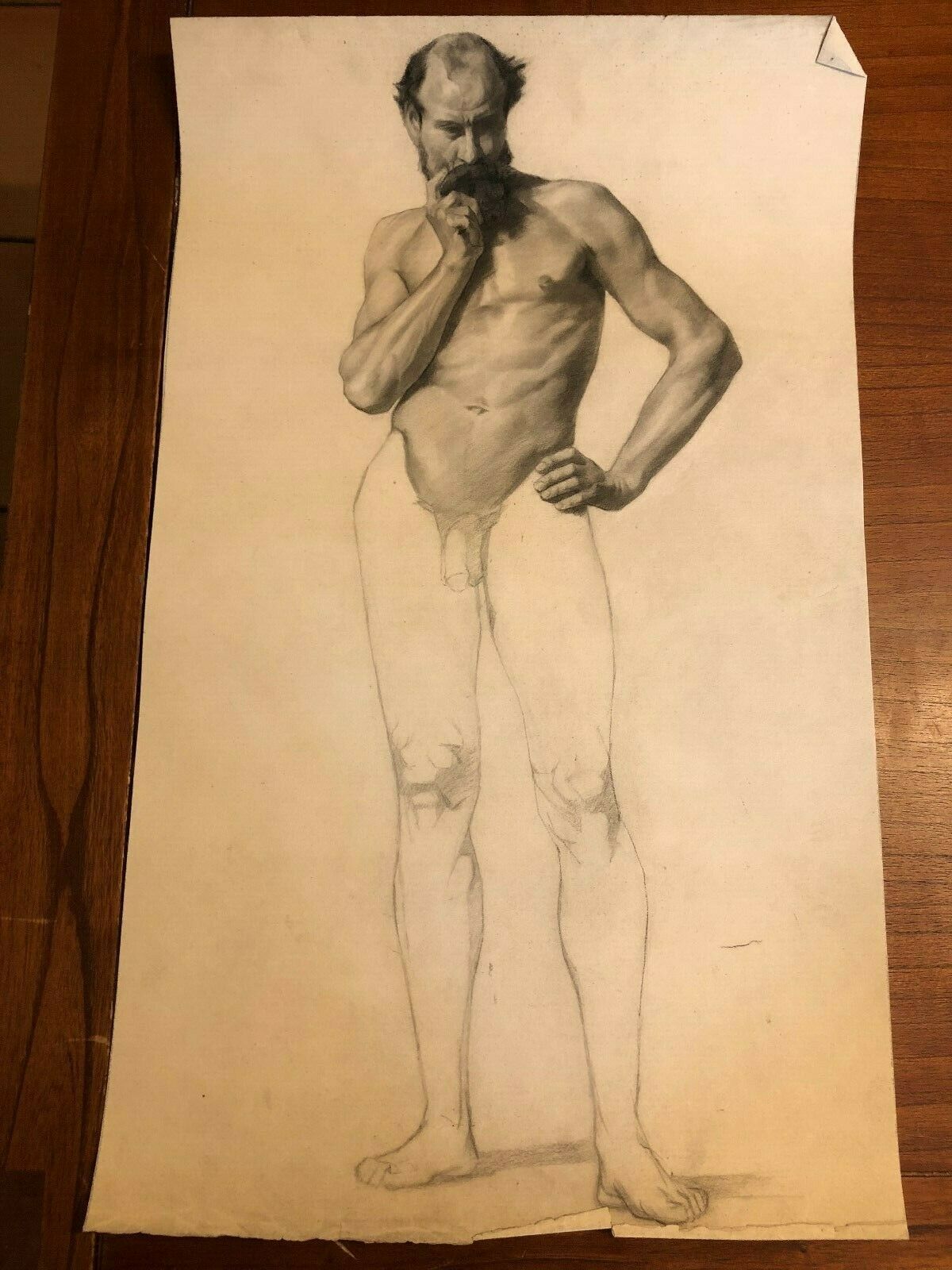
 I have had my collecting eye on a beautifully executed example of the 19th Century Art Academy which has been listed on eBay France for a few weeks by an antiques dealer. For an unsigned 19th Century drawing it is listed at what to my buying collectors eye is a very expensive, unrealistic price tag. I can see demanding a premium for a signed original work by a listed artist but price gouging is still price gouging as far as I’m concerned. Perhaps I will make the Gallery a lowball offer and see where it gets me... probably standing here without the drawing... I can see paying several hundred Euro’s for a well executed drawing but his asking six to eight hundred Euro’s each is out of my ballpark.


Here are the additional listed drawings by the same Antiques dealer... all at ridiculous asking prices:


————————————————————-
Of  course a dealer elsewhere in France has near caliber drawings at more reasonable prices. 
Again: Idiots guide to collecting: Caveat emptor 


Sunday, October 4, 2020

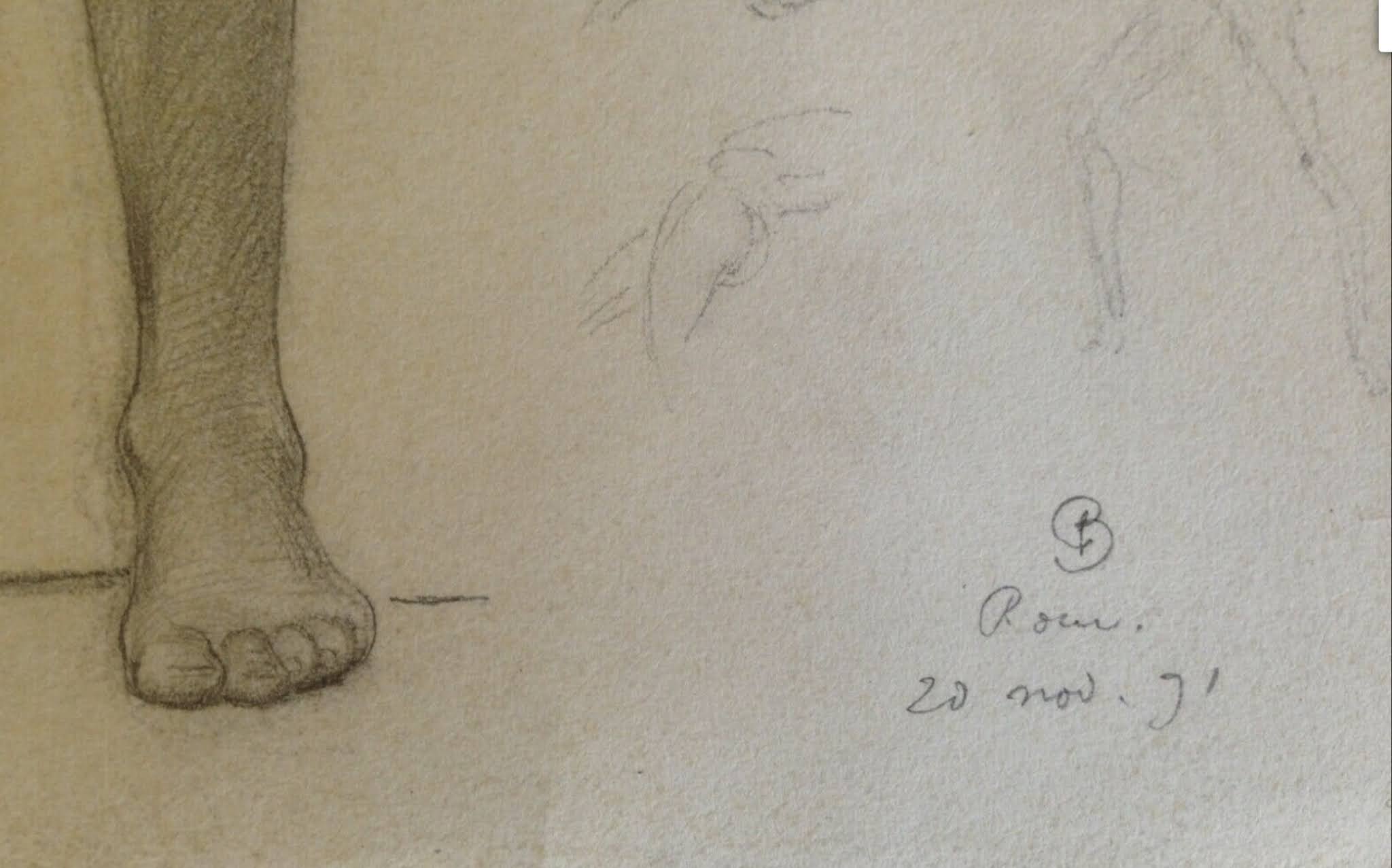
Monogrammist “B”.. jünglingsakt-heliogravüre - Standing Nude Youth - Rome 1891


This morning I bought this heliogravure print for my collection from a gallery in Germany. Unfortunately it is not fully signed and attributable other than monogrammed with the initial “B” and dated “Rome, 20 November, 1891.”


THE TECHNIQUE OF TRADITIONAL HÉLIOGRAVURE


Héliogravure is the oldest procedure for reproducing photographic images. It was first invented in the early 19th century by Joseph Nicéphore Niepce, of France, and later perfected by Talbot, Niepce de Saint-Victor, Baldus and Klic.


The process involves two distinct steps. First, in a complex photochemical procedure that creates the intaglio surface, the photographic image is fixed and etched upon a specially prepared copper plate. The finished plate is then placed on a hand-turned press, and the image is printed onto dampened etching paper using special inks.


This traditional method of héliogravure is variously called héliogravure au grain or héliogravure à plat. Before receiving the photochemical transfer of the image, the flat copper plate is first carefully dusted with rosin powder; it is then heated, so that the microscopic grains of rosin melt into fine droplets and fuse to the metal. It is this that accounts for héliogravure’s exceptional tonal range, for when the plate is subsequently etched, the acid only reaches the copper through the fine interstices existing between these grains. The transitions from light to dark are thus modulated with extreme precision and subtle nuance. Even when examined under a magnifying glass, a héliogravure betrays no screen pattern, unlike images printed using industrial methods such as offset, letterpress or rotogravure.


Héliogravure belongs to the same family of intaglio printing techniques as engraving, etching and aquatint. As such, it requires an especially good quality of thick paper, one that can draw out the ink from the furthest recesses of the etched copper. In like manner, the plate embosses the finished prints, for its form is impressed into the dampened paper as they pass together through the rollers. Printed by hand in limited quantities, each héliogravure is considered an original, and its value is accordingly assured.

Wednesday, September 9, 2020

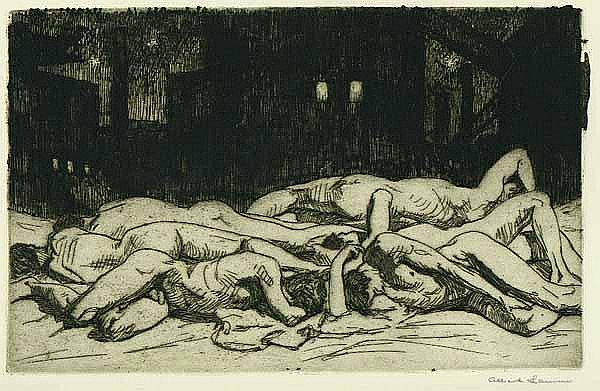
Erich Albert Lamm (Austrian, 1880–1934) - Intaglio Print - Pferde Krieger männlicher Akt Gruppe - 1912

 I was on eBay Germany several days ago when I spotted what had to be the work of a very talented classically trained, late 19th - early 20th century artist. The listing only identified the artist as (?) Lamm. The starting price was ridiculously low and I watched the auction and programmed a bid that I thought would easily take the print and ended up as the new owner. Apparently the seller could not make out the artist’s first name so I enlarged the artist signature and determined that what appeared to be a scribbled, unintelligible first name was actually “Albert.” A little research and I identified the artist as Erich Albert Lamm (1880-1934), an Austrian born artist who was active in Germany during the late 19th - early 20th century.   Lamm was active in Berlin from 1873 to his death in 1934. He initially studied physics and mathematics at the Polytechnic in Berlin and from 1893 to 1895 he studied at the Academy of Fine Arts, Darmstadt. There he studied with Eugèn Bracht. From 1899 to 1901 he finished his studies in the Master Class of Professor Otto Dill. The minute I saw this print I knew I had to add it to my collection.  Needless to say, Lamm was a very talented, classically trained artist. Enjoy. 

Well I just spent four times what I paid for the print to have it professionally framed and mounted with museum quality materials. I thought this master work deserved the very best for display.

——————————————————————————————————————————-


After having the print framed, it is now on the wall and part of the collection...


———————————————————————————————————————-

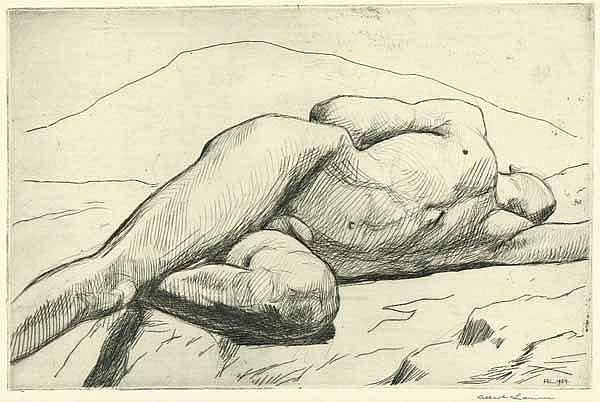
Here are other examples of his works: